
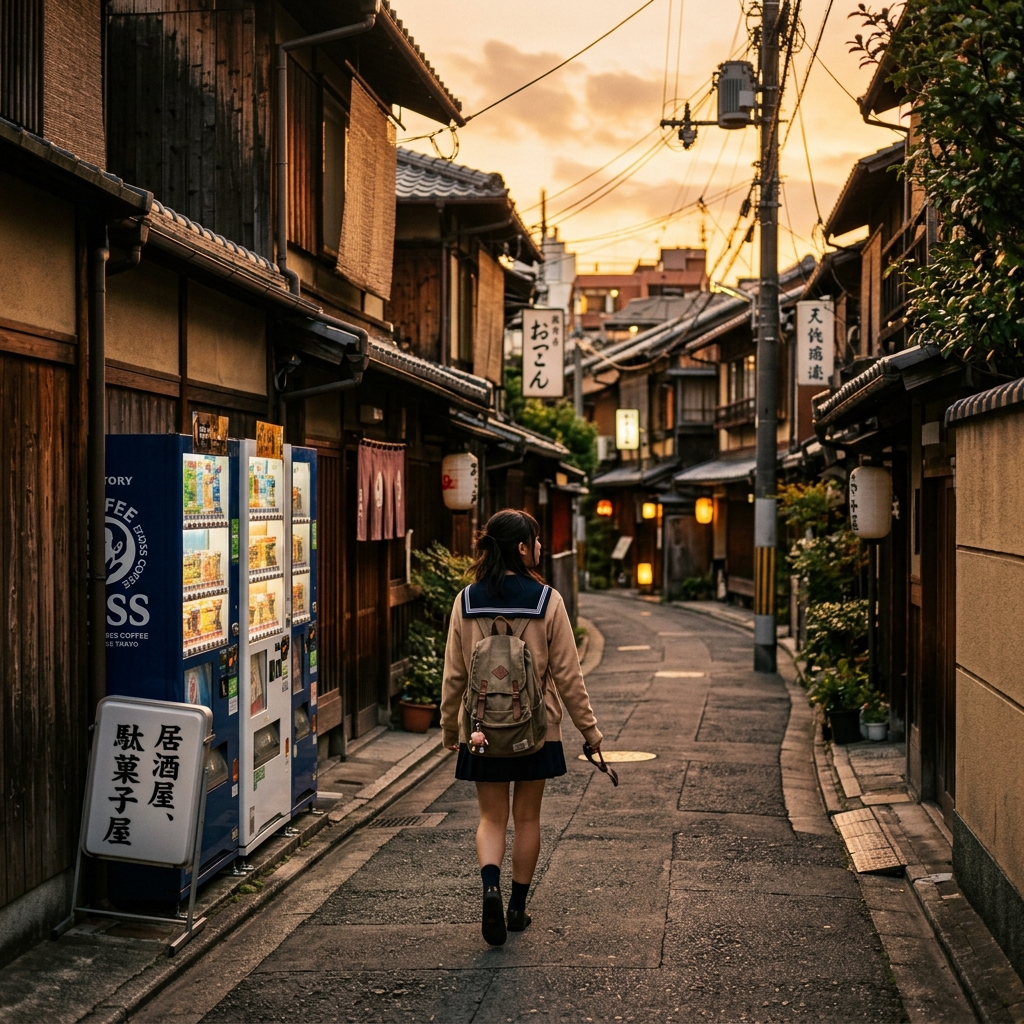
For many international students, moving to Japan is a dream come true. The land of neon lights, ancient temples, and convenience store treats seems like a futuristic paradise. However, once the initial "honeymoon phase" wears off, the realities of daily life can bring unexpected culture shock. From rigid social norms to surprisingly low-tech systems, understanding these friction points early will help you adapt smoothly. Let's explore the real challenges of student life in Japan and how to handle them.
Expectation vs. Reality in Japan
To help you prepare mentally, here is a quick breakdown of common assumptions versus the actual everyday reality of living in Japan:
| Topic | Common Expectation | Everyday Reality | How to Adapt |
|---|---|---|---|
| Payments | Futuristic card/mobile payments everywhere | Surprisingly cash-based; coins are essential | Always carry a coin purse with cash |
| Trash Disposal | Throwing everything in a single public bin | No public bins; complex sorting at home | Follow your ward's official schedule strictly |
| Apartment Walls | Private, soundproof modern studios | Extremely thin walls; strict noise rules | Keep TV volume low; no loud late-night gatherings |
| Social Life | Easy to make close Japanese friends instantly | Polite but reserved social boundaries | Join university clubs (circles) and community events |
1. The Cash Paradox
Japan is famous for high-tech robotics and bullet trains, yet it remains a cash-heavy society. While credit cards and mobile apps like PayPay are gaining popularity, many local supermarkets, ramen shops, coin laundries, and doctor clinics only accept cash. When you arrive, you will quickly accumulate 100, 50, and 10 JPY coins. Buy a good coin purse (kozeni-ire) and always keep at least 3,000 to 5,000 JPY in cash in your wallet.
2. The Complex Art of Trash Sorting
One of the first major hurdles you will face in your new apartment is waste disposal. Japan does not have a single trash bin for everything. Instead, trash must be meticulously separated into categories such as burnable (moeru gomi), non-burnable (moenai gomi), plastic bottles (petto botoru), cans, glass, and cardboard.
Warning: Leaving trash in the wrong bags or putting it out on the wrong day can lead to angry notes from neighbors, warnings from your landlord, or the garbage collectors refusing to pick it up.
Every municipality has its own specific rules and designated bags. For instance, the Tokyo Metropolitan Government provides detailed multilingual guidelines on correct waste management to help residents maintain clean and safe neighborhoods.
3. Apartment Living: Thin Walls and Quiet Hours
Many student apartments in Japan (especially cheaper wooden structure apartments called apaato) have very thin walls. Sound travels easily. You can hear your neighbor's alarm clock, and they can hear yours. To avoid conflicts, Japan has strict unwritten rules about apartment noise. Avoid using the washing machine, vacuuming, or speaking loudly on the phone after 9:00 PM. Treat your neighbors with respect (meiwaku o kakenai - do not cause trouble for others).
4. Dealing with Social Isolation
Japanese politeness is world-renowned. People are incredibly helpful and well-mannered. However, this is often driven by tatemae (public face) rather than honne (true feelings). Making deep, personal connections can take a long time because Japanese culture values personal space and privacy. This can sometimes make international students feel isolated or lonely.
To overcome this, you need to know where your local resources are. When you register your address at your local Ward Office, make sure to ask about international exchange groups. You can locate your nearest municipal building using our interactive yuzu.help Ward Office Map Tool to find administrative support and free local community events.
Frequently Asked Questions
Q: Why are there no public trash cans in Japan?
Most public trash cans were removed following safety concerns in the 1990s. Today, Japanese residents are expected to carry their trash home and dispose of it there according to local recycling rules.
Q: What happens if I make a mistake while sorting trash?
If you sort trash incorrectly, the waste collectors will put a warning sticker on your bag and leave it on the curb. You will have to take it back, sort it correctly, and wait for the next scheduled collection day.
Q: Can I play music in my apartment during the day?
Yes, but you should keep the volume at a moderate level. Even during daytime hours, excessive bass or loud music can disturb neighbors who work night shifts or study at home.
Q: Do I need to register my address at the Ward Office?
Yes. Within 14 days of finding permanent housing, you must visit your local Ward Office (Kuyakusho) with your Residence Card to register your address. The staff will print your new address on the back of your card.
Q: Is it normal to pay cash at clinics and hospitals in Japan?
Yes, many smaller medical clinics and dental offices only accept cash. Always ensure you have enough cash on hand when visiting a doctor, even if you have National Health Insurance.
Q: How do I get my Resident Certificate (Juminhyo)?
Once your address is registered at the Ward Office, you can request a printed Resident Certificate (Juminhyo) at the counter for a small fee of around 300 JPY. This is often required for phone contracts or bank accounts.
Q: What should I do if I feel lonely or isolated in Japan?
Join university clubs (called sakuru or circles), attend local language exchanges, volunteer, or visit community centers. Speaking to student counselors at your university is also highly recommended.
Q: Why do my neighbors never talk to me or invite me over?
In Japan, separating public life from private home life is standard. Inviting acquaintances to one's home is rare, even among close friends. Do not take it personally; it is simply a cultural boundary.