
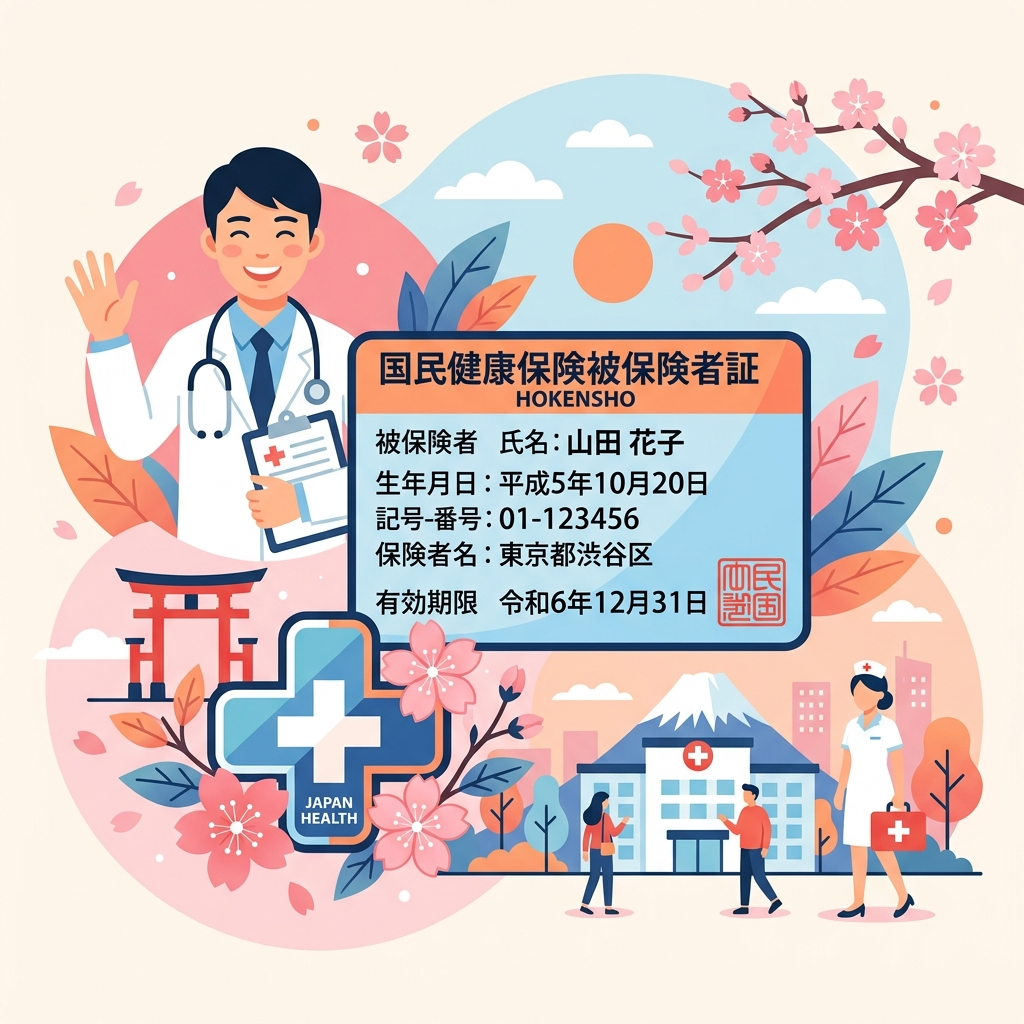
Understanding a new country’s healthcare system is crucial for a safe and stress-free stay. Japan offers one of the most efficient and affordable medical systems in the world, backed by universal healthcare coverage. For international students, language school attendees, and expats, enrolling in the National Health Insurance (国民健康保険 - Kokumin Kenko Hoken) system is not just recommended—it is a legal requirement if you reside in Japan for more than 3 months. This comprehensive guide will show you how to register for your health insurance card (Hokensho), apply for student premium reductions, find English-speaking doctors, and navigate visits to Japanese clinics and hospitals.
1. What is National Health Insurance (Kokumin Kenko Hoken)?
In Japan, the National Health Insurance (NHI) covers 70% of your medical expenses at clinics, hospitals, dentists, and pharmacies. You are only responsible for paying the remaining 30% co-pay out of pocket. This makes basic consultations, dental work, and prescription medications extremely affordable.
Every resident in Japan under a mid-to-long-term visa (exceeding 3 months) must enroll. When you register, you will receive a small paper card called the Hokensho (健康保険証). You must present this card at the reception counter every time you visit a doctor or pharmacy.
2. How to Enroll and Get Your Hokensho Card
Enrolling in the NHI is part of your basic registration process when you first move to Japan:
- Go to the National Health Insurance Section (Kokumin Kenko Hoken-ka) at your local ward office (kuyakusho) or city hall (shiyakusho) within 14 days of moving in.
- Present your Residence Card (Zairyu Card) and passport.
- Fill out the NHI application form. The staff will process your registration and mail your physical insurance card (Hokensho) to your registered home address, or hand it to you immediately in some wards.
Important Note: If you register late, your insurance bills will be backdated to the exact date you entered Japan, meaning you will receive a large bill for all the months you missed.
3. Applying for Student Premium Reductions
NHI premiums are calculated based on your previous year's income in Japan. As a newly arrived international student with zero income in Japan from the previous year, you qualify for a substantial premium reduction (up to 70% off).
- When registering at the ward office, tell the clerk: "Gakusei wari-biki wo onegai shimasu" (Student discount, please) or present your Student ID card.
- They will assist you in filing a Declaration of Income (所得申告 - Shotoku Shinkoku) form, declaring that you had no income in Japan in the preceding year.
- With the reduction applied, your monthly premium will drop to around 1,500 JPY to 2,000 JPY (depending on your specific municipality).
4. Navigating a Clinic or Hospital Visit
Unlike some Western countries where you must see a general practitioner (GP) first, in Japan, you can go directly to a specialized clinic (e.g., dermatology, internal medicine, dentistry) or a general hospital.
What to Bring
- Your physical Hokensho (Insurance Card).
- Cash (Many smaller local clinics in Japan do not accept credit cards).
- Your Residence Card (Zairyu Card).
The Process
- Present your Hokensho at the reception desk (Uketsuke).
- Fill out a medical questionnaire (Shinryo-moushisoshot) detailing your symptoms, allergies, and current medications.
- Wait to be called. The doctor will perform the examination.
- Pay the 30% fee at the cashier and receive your receipt, prescription sheet (Shohou-sen), and medical record book (Okusuri-techo).
- Take your prescription to a nearby pharmacy (Yakkyoku) to purchase your medications.
5. How to Find English-Speaking Doctors in Japan
If you do not speak Japanese, describing symptoms can be stressful. Fortunately, there are reliable resources to find English-speaking medical staff:
- Tokyo Metropolitan Health Medical Information Center (Himawari): An official portal where you can search for clinics by location, specialty, and language support. (Search "Himawari Tokyo medical").
- AMDA International Medical Information Center: Provides telephone translation services and helps foreign residents locate clinics with multilingual staff.
- Local Expat Directories: Websites like Real Estate Japan or Plaza Homes maintain curated lists of English-friendly clinics in major cities.
Conclusion
Signing up for National Health Insurance is your key to accessing affordable, world-class medical care in Japan. Keep your Hokensho card in your wallet at all times, remember to ask for the student premium reduction at your ward office, and keep local English-friendly clinic contacts saved on your phone. Stay healthy and enjoy your life in Japan!